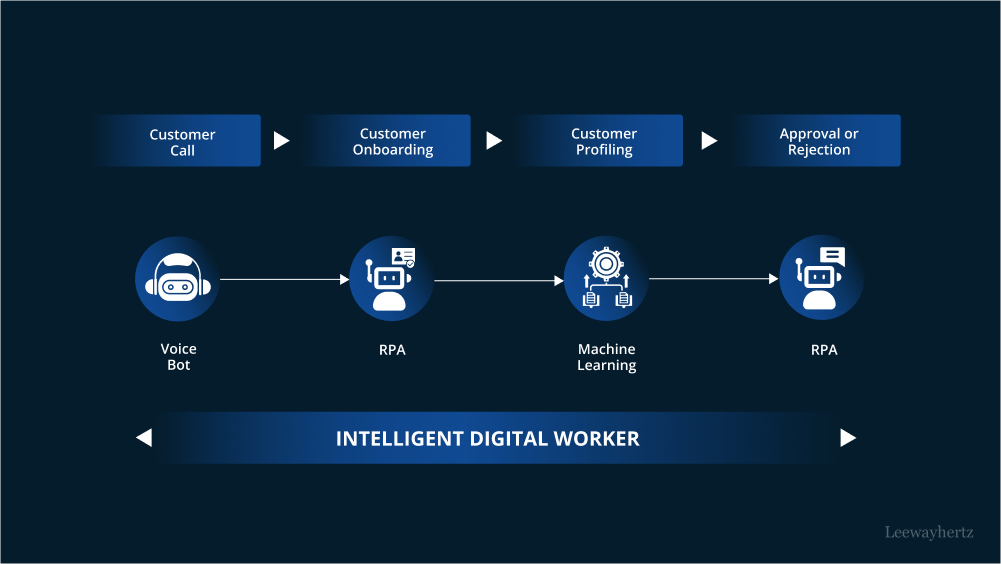
Business automation is transforming how companies operate, eliminating repetitive tasks and enabling teams to focus on high-value work. When implemented strategically, automation can significantly improve efficiency and reduce operational costs.
Identifying Automation Opportunities
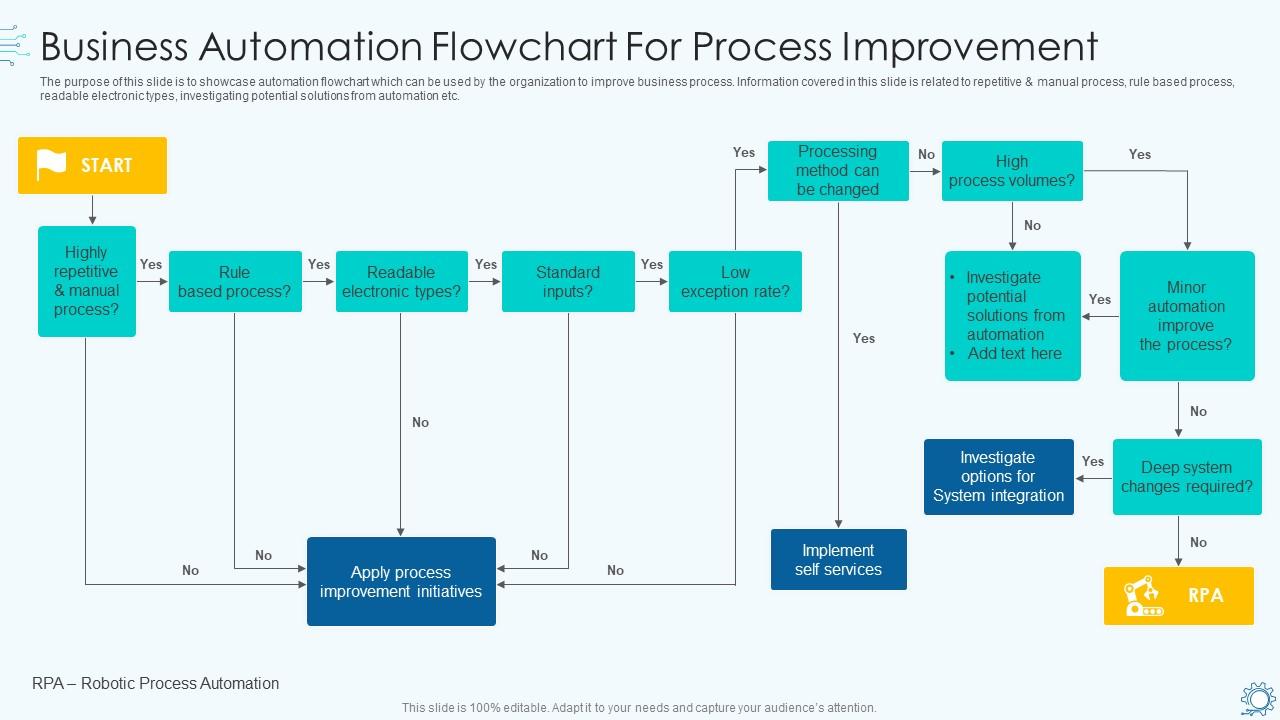
Start by identifying repetitive processes that consume significant time. Common candidates include data entry, report generation, email workflows, and data synchronization between systems.
Implementation Strategies
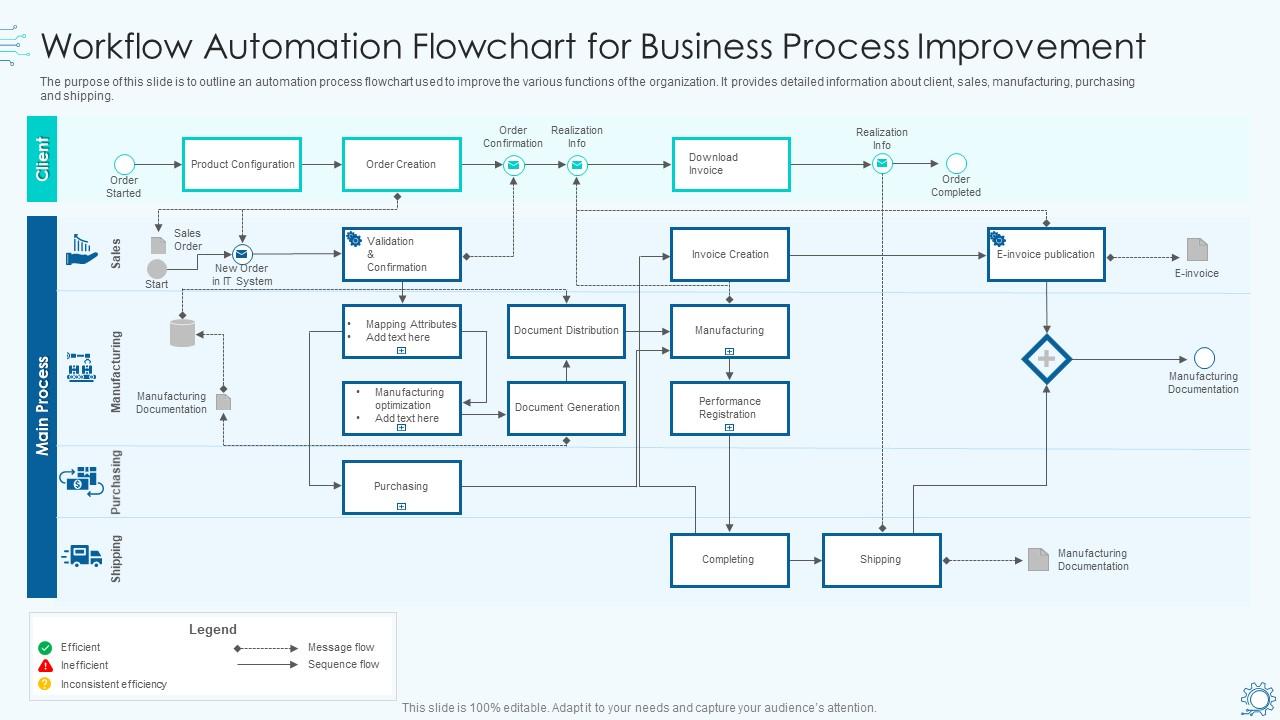
Successful automation requires careful planning. Begin with high-impact, low-risk processes, then gradually expand to more complex workflows. API integrations and webhook automation are powerful tools for connecting disparate systems.
Measuring Success
Track metrics like time saved, error reduction, and cost savings to measure automation ROI. Regular monitoring helps identify areas for further optimization.